B2B Integration
Target EDI Requirements: A Vendor's Guide
Target EDI requirements for vendors: the document set, DPCI item cross-referencing, structured compliance charges, and where Target vendors stumble.
Practical guides for manufacturers, distributors, and supply chain leaders.
Target EDI requirements for vendors: the document set, DPCI item cross-referencing, structured compliance charges, and where Target vendors stumble.
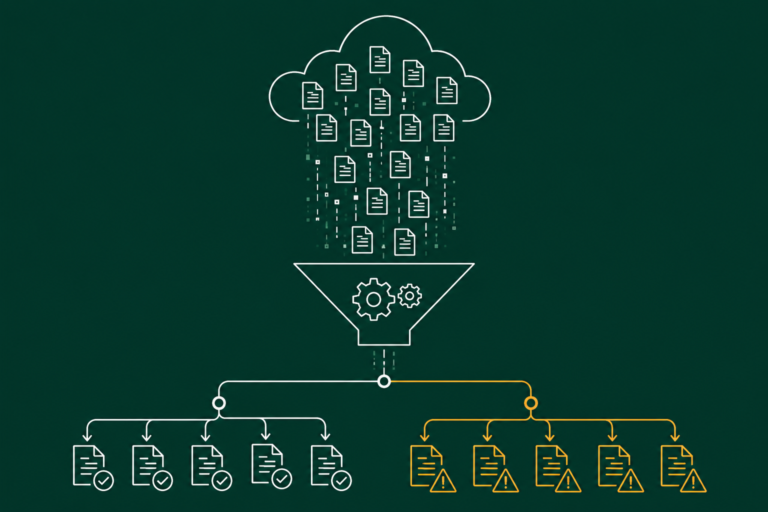
Amazon Vendor Central runs on EDI: the 850/855/856/810 flow, the 860 change cycle, chargebacks and shortage claims, and where vendors lose margin.
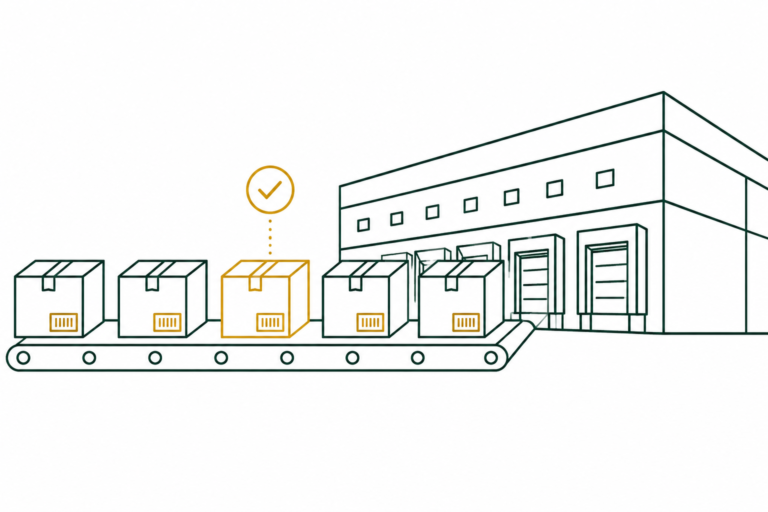
What Walmart requires from EDI suppliers: the document set, ASN and GS1-128 label discipline, OTIF impact, and where new suppliers get hurt by deductions.

How EDI connects to Odoo: sale.order and stock.picking API integration, version drift, and the first-retailer problem Odoo companies hit.
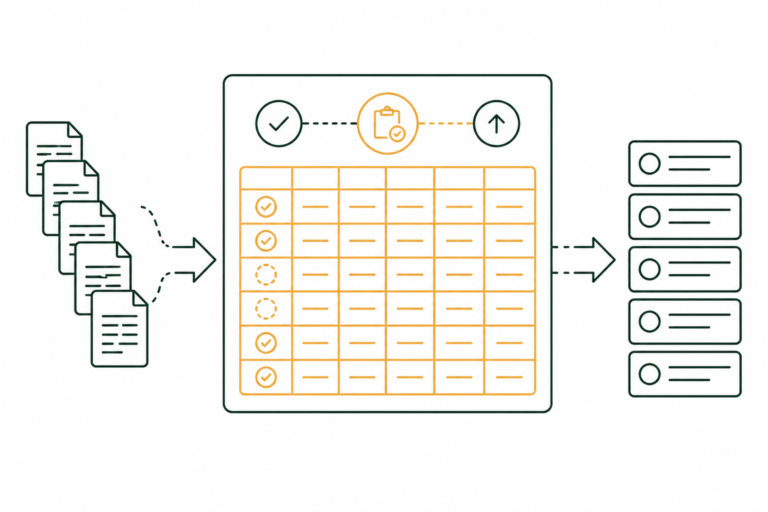
How EDI connects to JD Edwards: the F47 interface table architecture, EnterpriseOne vs. World, batch timing, and where JDE EDI projects run into trouble.
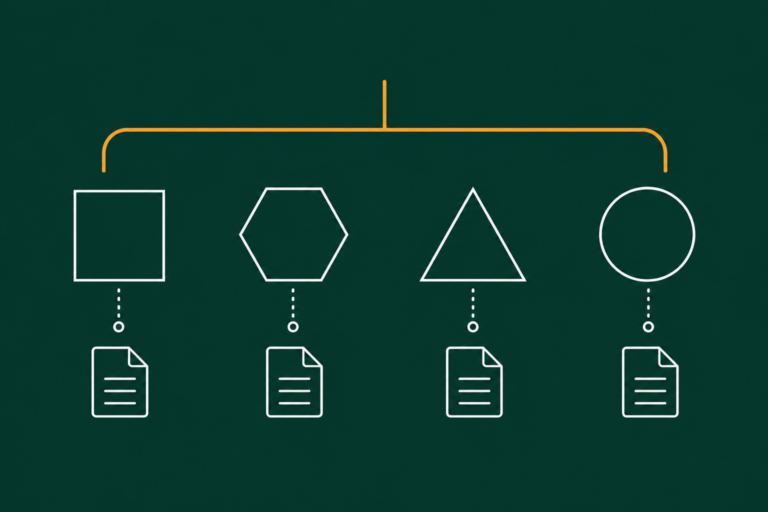
How EDI connects to Infor's product family: SyteLine, M3, LN, and VISUAL differences, ION middleware, and where Infor EDI projects run into trouble.
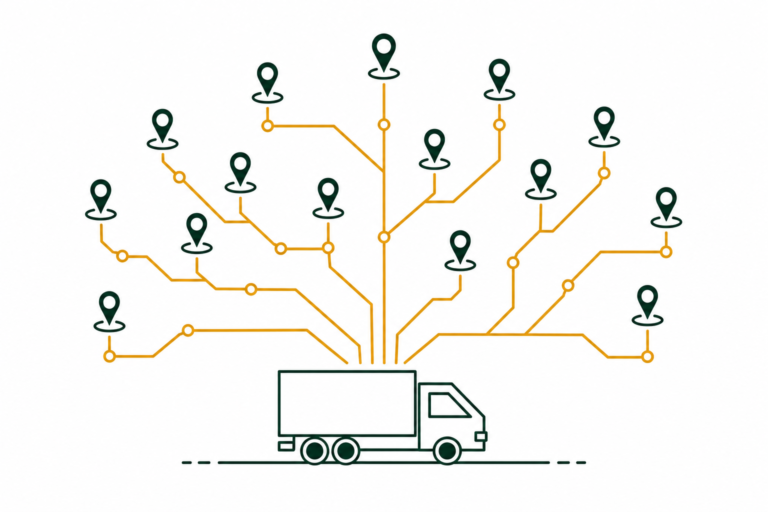
How EDI connects to Rose Rocket's cloud-native TMS: real-time load tender and status flows, and where these integrations typically stall for growing carriers.
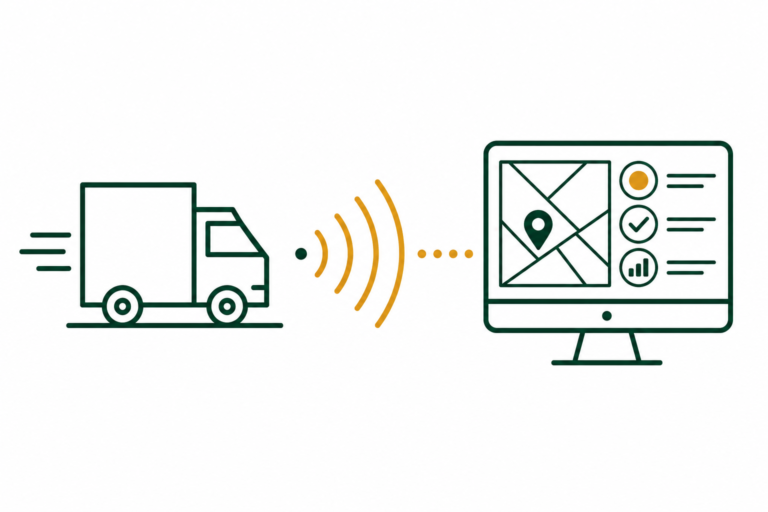
How EDI connects to Turvo's API-first TMS: real-time load tender and status flows, and where Turvo EDI integrations typically stall.

How EDI connects to McLeod: load tender, status, and freight invoice document flows (204/990/214/210), and where McLeod EDI integrations typically stall.
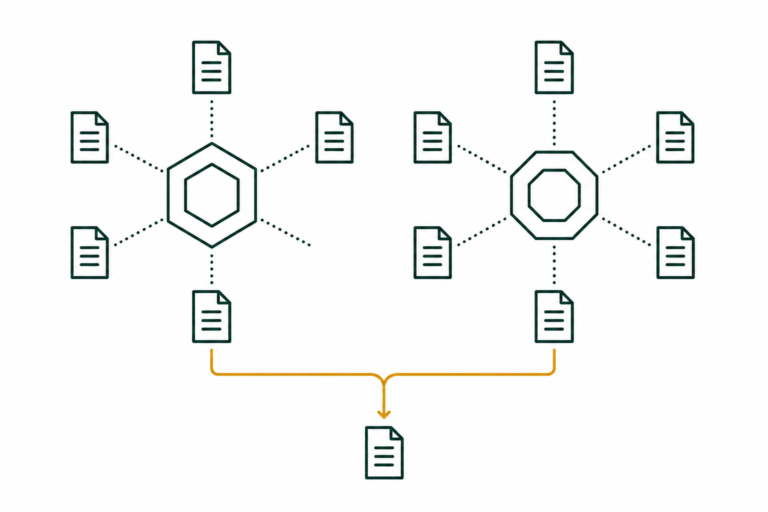
How EDI connects to Dynamics 365: Business Central vs. Finance & Operations differences, document mapping, and where D365 integrations typically stall.

How EDI connects to SAP through IDocs: the ORDERS05/DESADV/INVOIC mapping, S/4HANA vs. ECC differences, and where SAP EDI integrations typically stall.
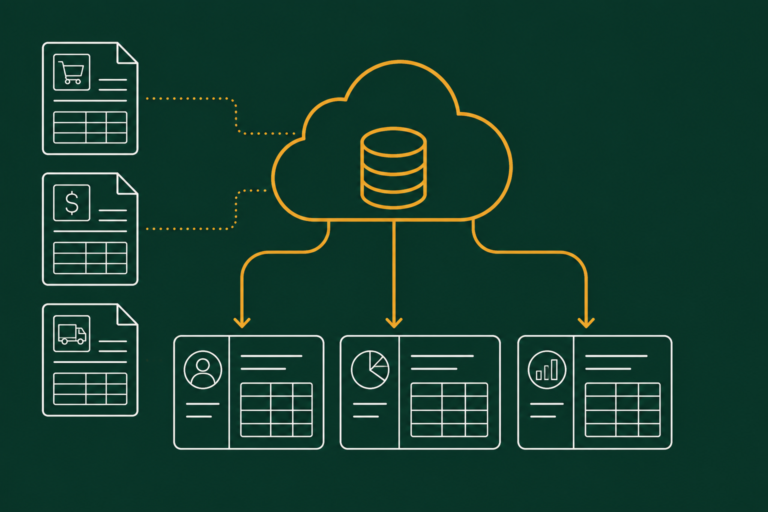
How EDI integrates with NetSuite: SuiteScript vs. API, which document types map to which records, and where NetSuite EDI projects stall.
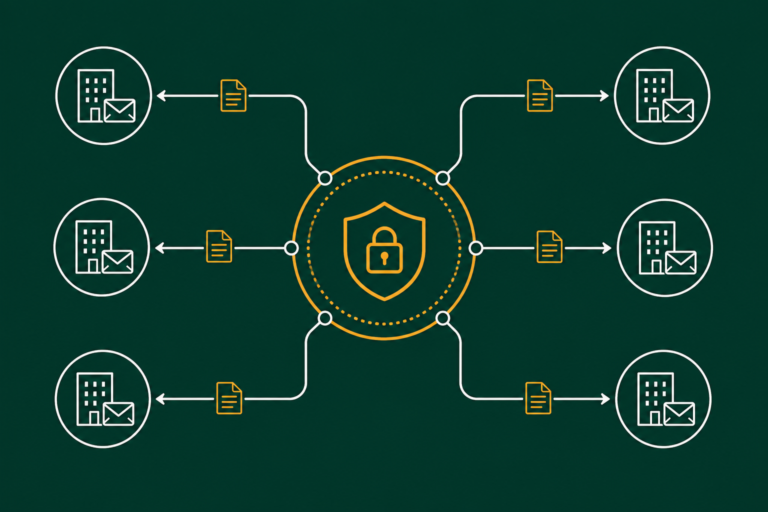
A Value Added Network (VAN) is a secure network that routes EDI documents between trading partners. How VANs work, what they cost, and when one makes sense.

A realistic week-by-week look at onboarding: discovery, map testing, phased go-live, and hypercare before settling into steady state.

Switching EDI providers without disruption: what to collect before giving notice, how parallel testing and partner-silent cutover work, and the real risks.
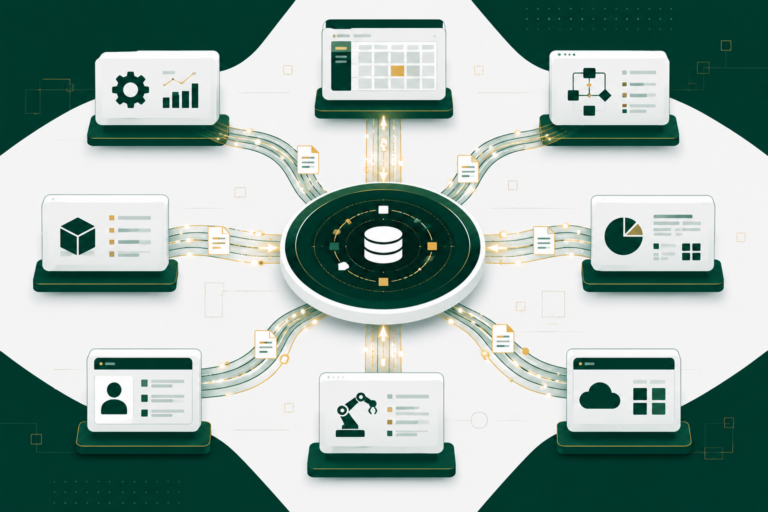
See how Foundational connects EDI to SAP, NetSuite, Dynamics 365, Infor, and more ERP and TMS platforms — mapped to your system, not a generic template.
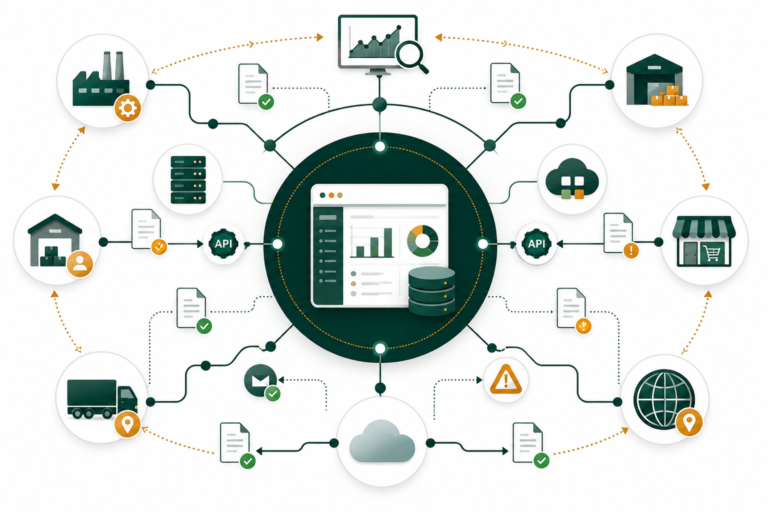
Your ERP runs internal operations, but trading partner onboarding, monitoring, exceptions, and map changes require a broader B2B integration strategy.

How Foundational delivers high-availability managed EDI for Nucor — one of America's largest steel producers — with rapid map turnaround cited by their team.

DF Stauffer cut customer chargebacks by as much as 85% after handing full EDI operations to Foundational — mapping, monitoring, and compliance fully managed.

From 24 to 130 EDI trading partners: Herr's Foods scaled their network by replacing an on-premise translator with Foundational's fully managed EDI service.

McNeilus Steel expanded their EDI scope by 500% after moving to Foundational's managed service — transforming purchasing, receiving, and sales order processing.

Managed EDI costs explained: one-time setup fees, fixed monthly rates, VAN kilocharacter charges, map changes, and the questions to ask any provider.

An honest 2026 comparison of six managed EDI providers — from retail networks to API platforms to true managed services — and how to pick the right model.

EDI chargebacks often begin as small operational failures: late ASNs, mismatched invoices, rejected documents, missing acknowledgments, and unclear ownership.
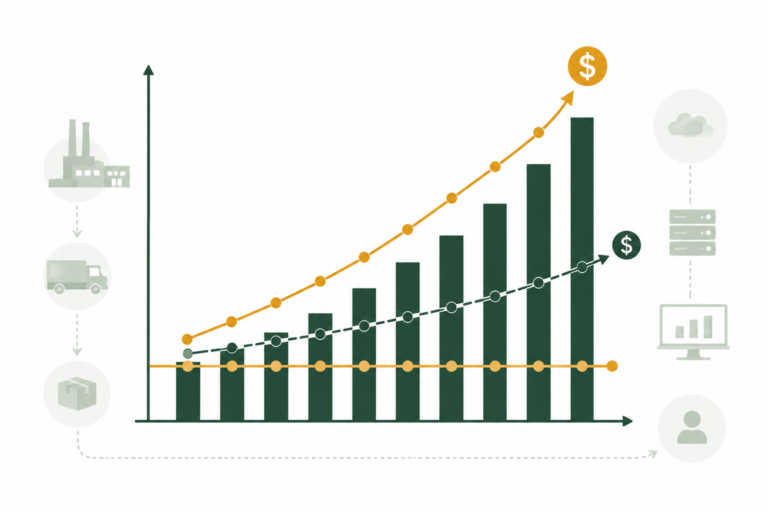
Per-transaction EDI pricing looks simple and becomes a budget problem as you grow. A clear breakdown of EDI pricing models and what to ask every provider.

Mid-market manufacturers often outgrow volume EDI platforms when pricing, support queues, rigid maps, and internal ownership no longer fit their operations.

What a managed EDI provider actually does — trading partner onboarding, mapping, ERP integration, compliance, and 24/7 monitoring explained.

For mid-market manufacturers and distributors, in-house vs. outsourced EDI impacts cost, risk, staffing, onboarding speed, and scalability.

How to choose the right EDI outsourcing partner: avoid hidden costs, close integration gaps, and find a managed EDI provider that scales.
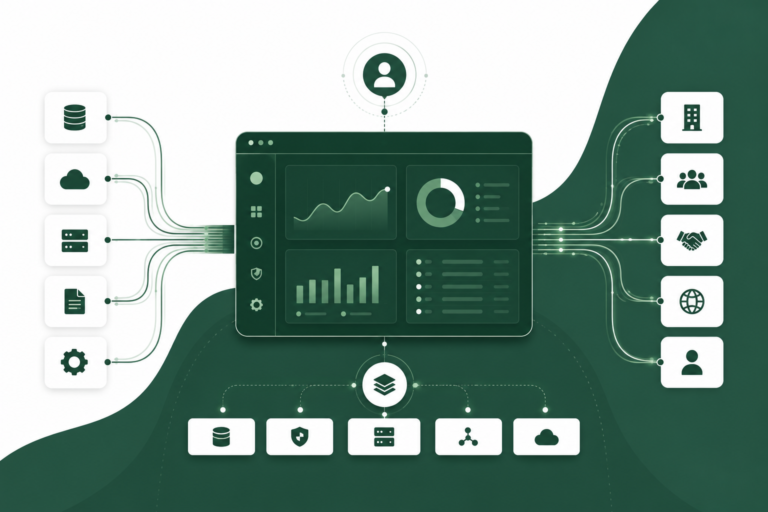
A practical guide to EDI outsourcing: what managed providers own, when outsourcing makes sense, how pricing works, and how to choose the right model.
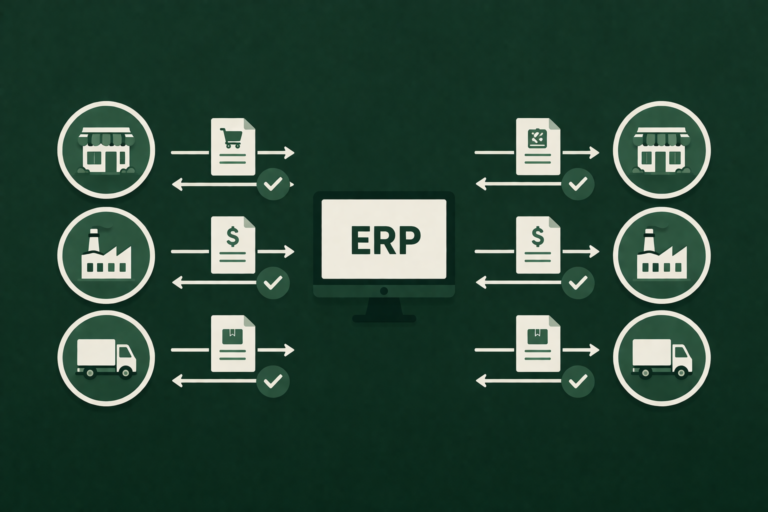
ERP-integrated EDI reduces supply chain errors by connecting trading partner documents to the system of record while preserving clear operating ownership.
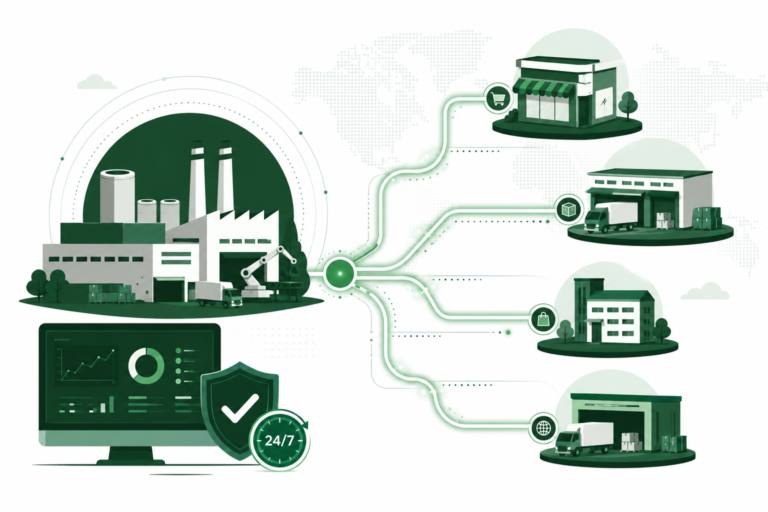
Manufacturers choose managed EDI when trading partner onboarding, monitoring, exceptions, and map changes become too much for internal teams to own.

Plain-English glossary of EDI, B2B integration, and e-business terms, from AS2 and X12 to APIs, ERP integration, and partner onboarding.
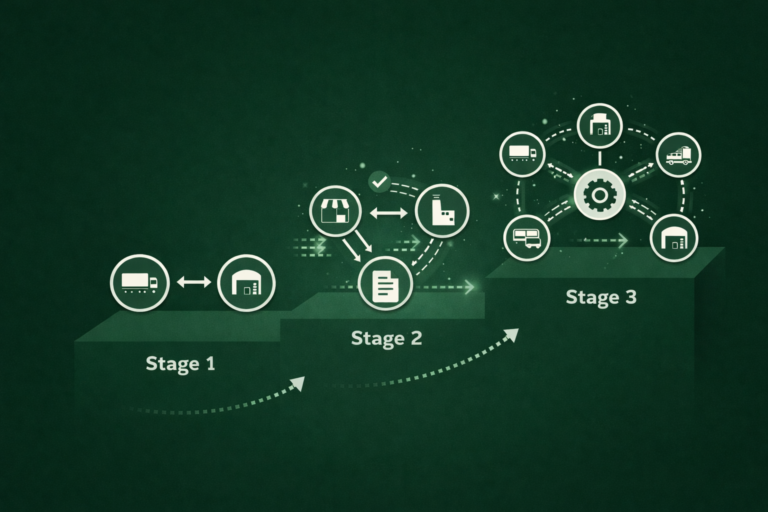
A practical EDI maturity model: compliance-driven EDI, operational EDI, and managed integration as a scalable operating model.
No posts in this category yet.